Physical AI
Physical AI interprets and analyzes sensor data, then uses the results to guide equipment actions.
Physical AI for Manufacturing
Turn Sensor Perception and AI Decisions into PLC Control
Physical AI analyzes conditions captured by sensors and LiDAR, then connects the results to physical equipment actions through PLC control. Hongik Information Technology designs and implements the connections between perception, analysis, and control in stages, based on each process and its equipment requirements.
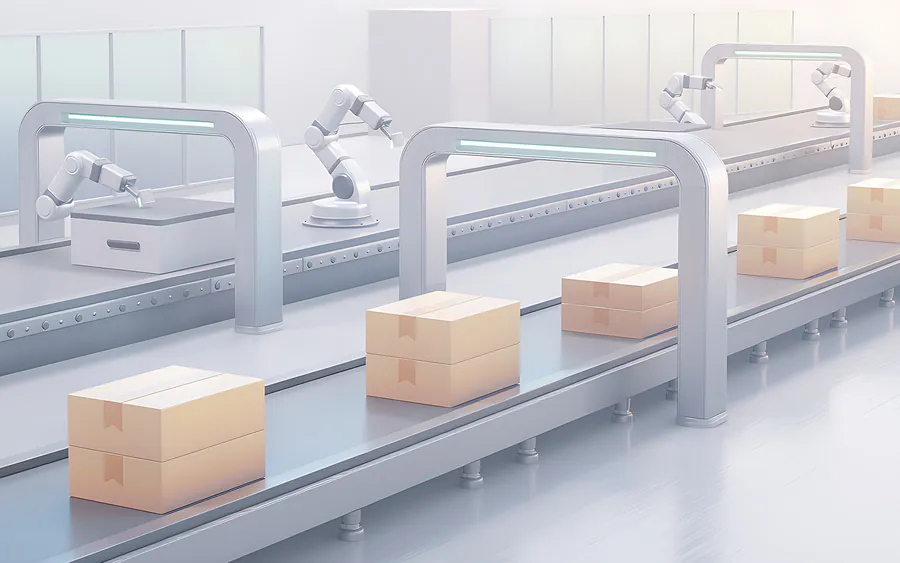
Connect Measurements to Equipment Decisions
Measuring a value and using it to determine an equipment action are separate steps. Effective control requires interpreting what the data says about conditions on the shop floor and deciding how that insight should affect equipment behavior. Physical AI connects perception, analysis, and control while accounting for process characteristics and existing control requirements.
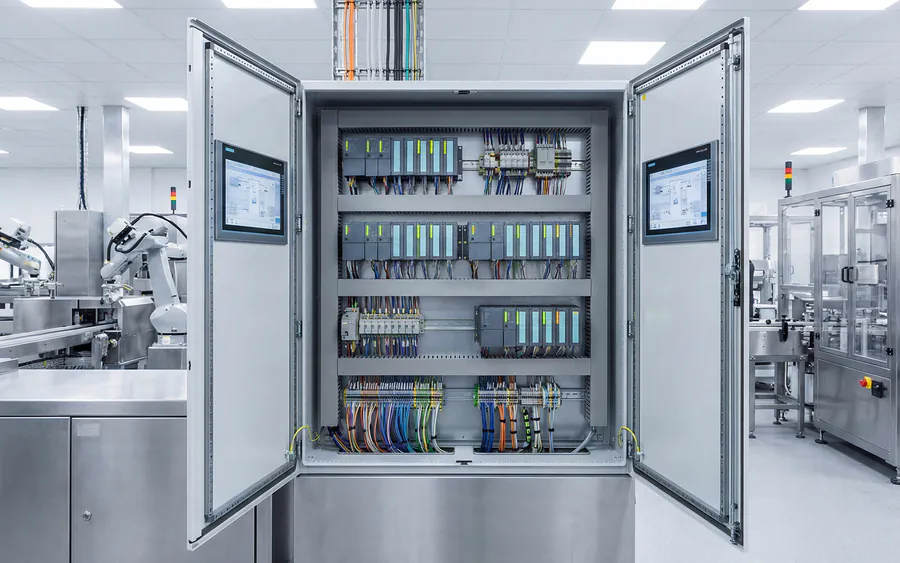
From Sensors and LiDAR to AI Analysis and PLC Control
Sensors and LiDAR capture operating conditions and spatial information, including the positions of equipment and objects. AI analyzes this information and passes its decisions to PLC-based equipment controls. For example, LiDAR can detect a load’s position so material-handling equipment adjusts automatically.
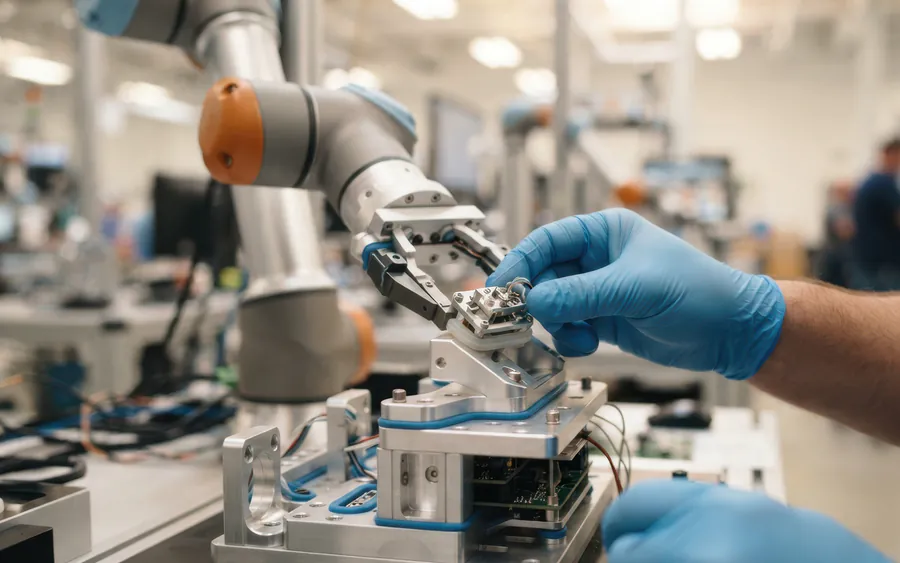
Validate on Site, Then Expand
We first assess available sensor data and the integration requirements of existing equipment and control systems. We define a limited set of actions for AI-assisted control, validate them on site, and expand the scope based on the results. This approach connects perception, analysis, and control to support intelligent manufacturing.
Key Features
- Sensor- and LiDAR-based perception of operating conditions and spatial information
- Equipment control informed by AI analysis
- Integration with existing PLC-based control systems
- Integration architecture tailored to process and equipment requirements
- Limited initial deployment, on-site validation, and phased expansion
Application Environment
- Inputs
- Sensor data and LiDAR spatial information
- Control integration
- PLC-based equipment control
- Implementation
- Phased expansion following on-site validation
- Requirements
- Suitable sensor installation and integration with existing control systems
Let’s Build Your Factory
Start manufacturing AX that fits your shop floor with Hongik Information Technology.